Science

  • boy planting in science class
  • students and circuit board
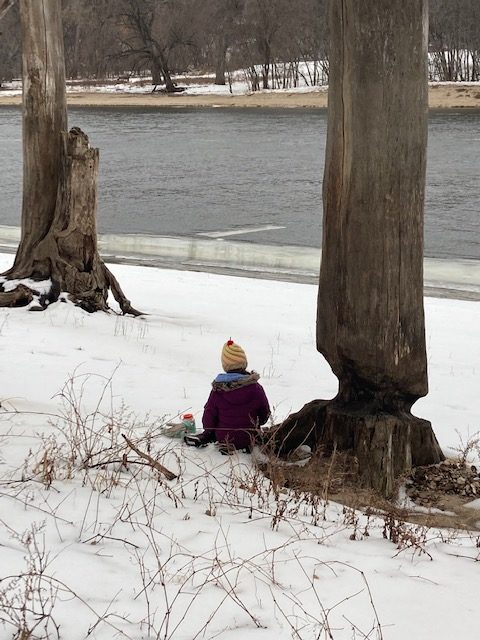
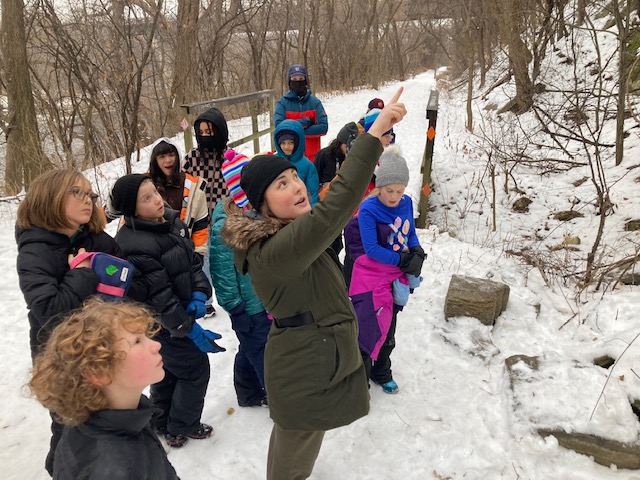
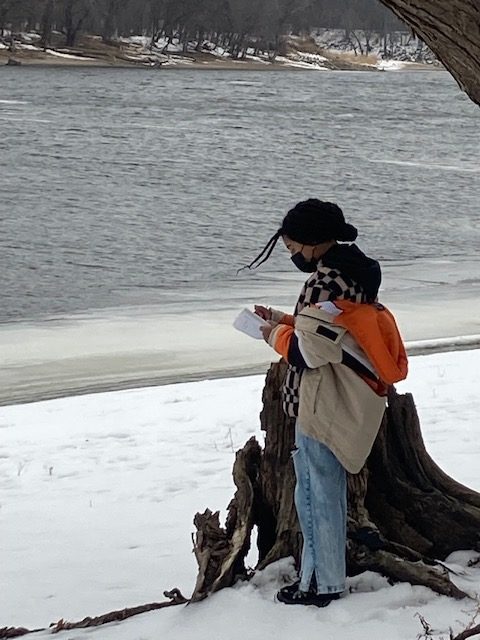
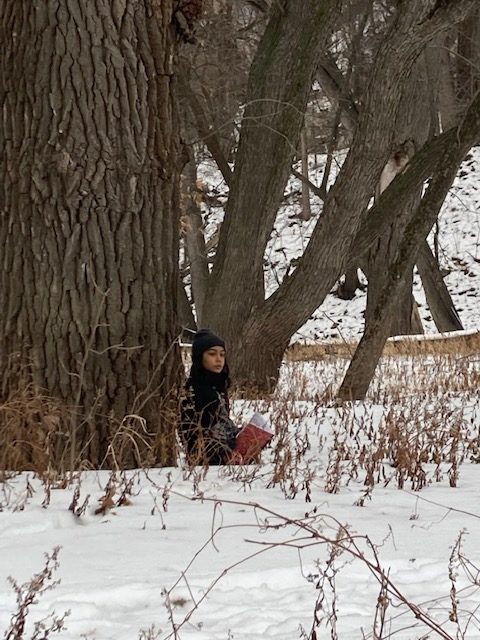
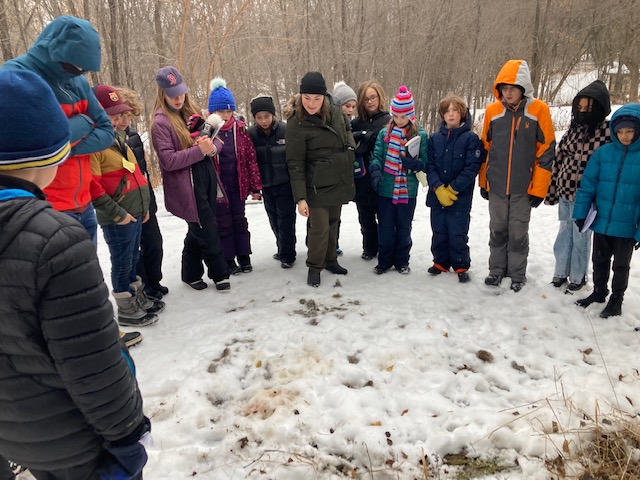
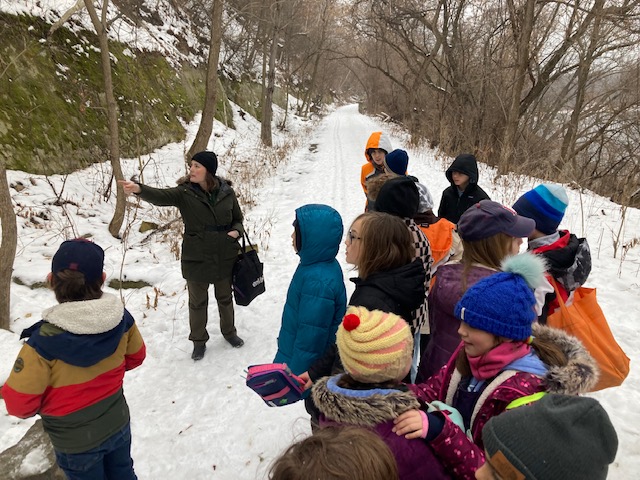
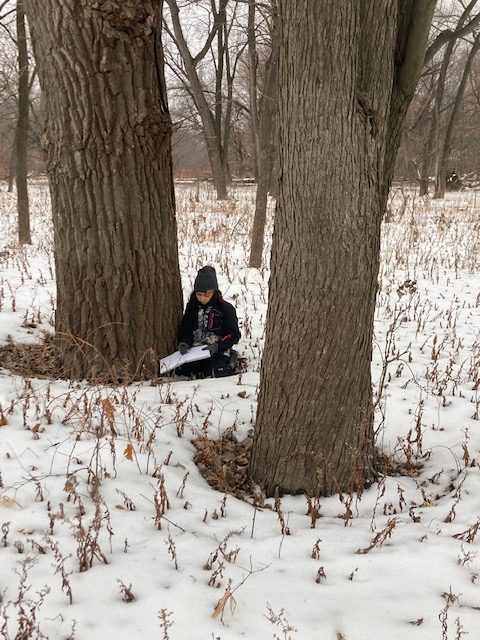
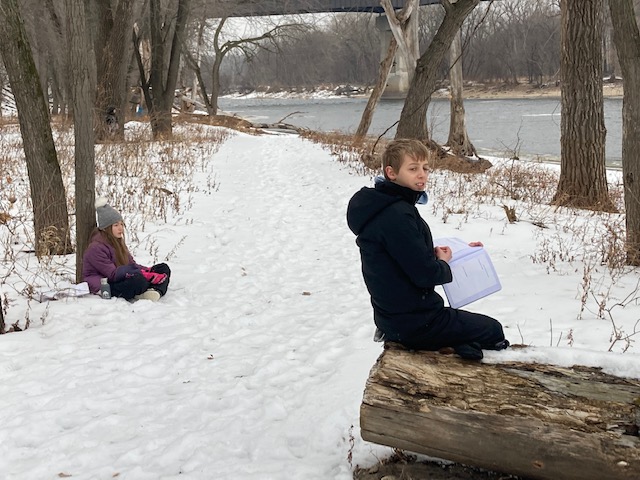
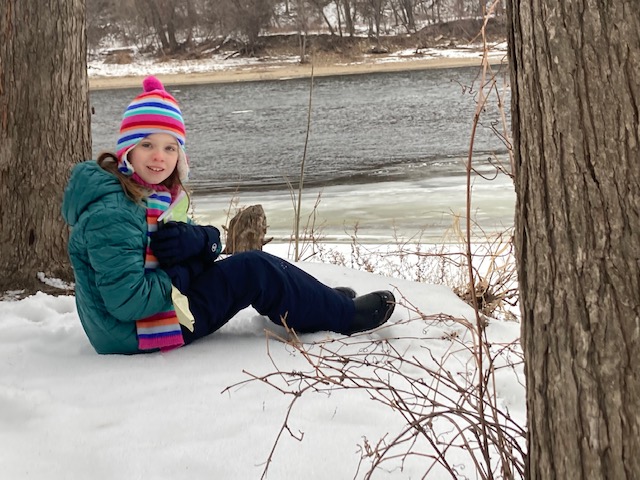
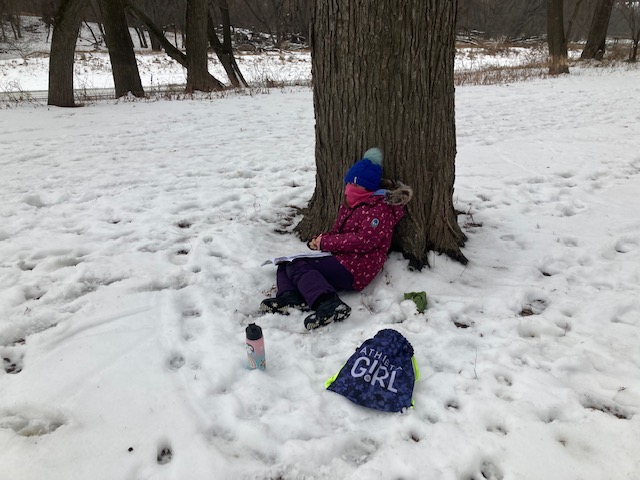
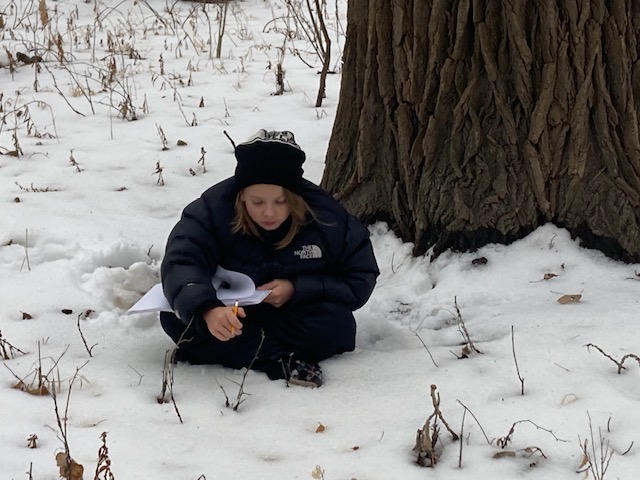
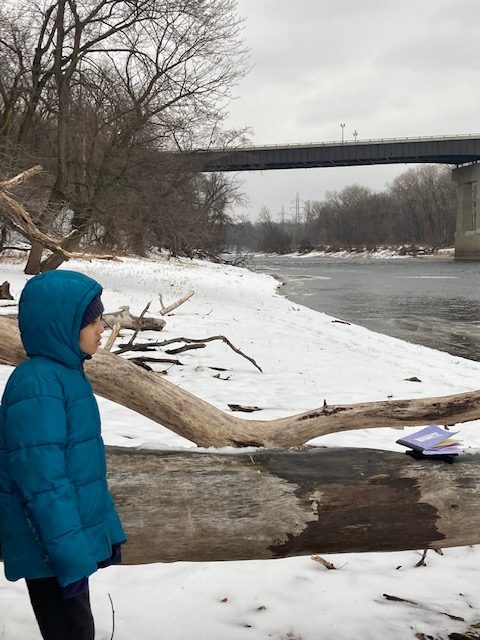
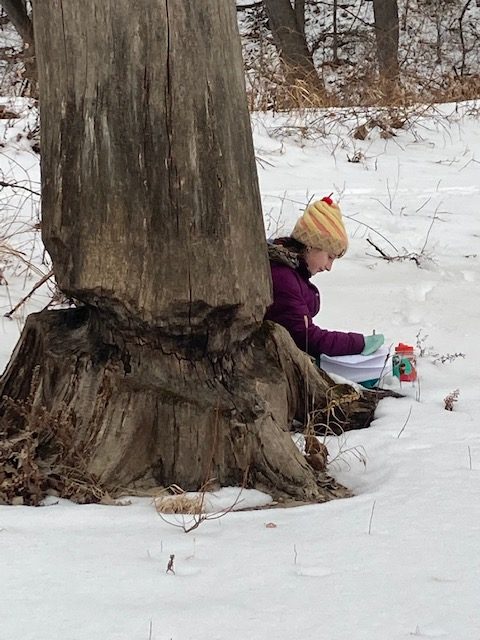
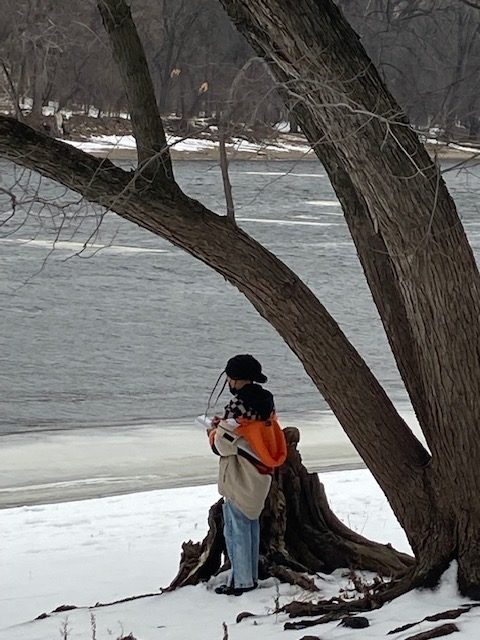
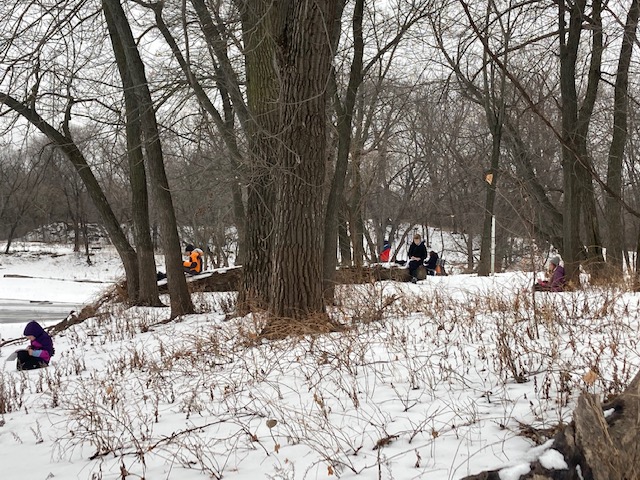
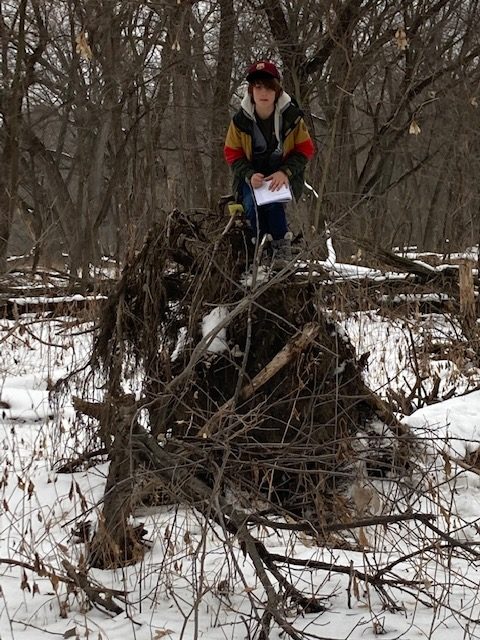
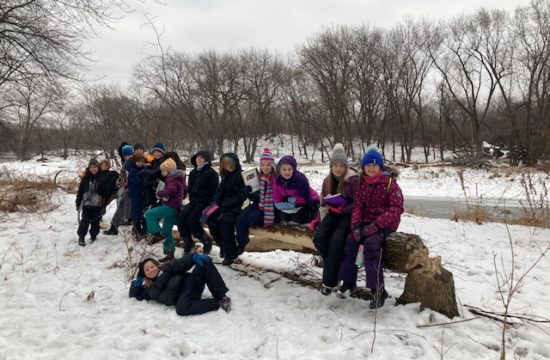
  • math and science at Crosby Farm
  • Middle school girl examining seedlings
  • teacher helps student with circuit board

Vision

The overall goal of science education at Friends School of Minnesota is to develop scientifically literate students. Friends school unites with the goals of the National Science Education Standards and seeks to educate students who are able to:

  • experience the richness and excitement of knowing about and understanding the natural world;
  • use appropriate scientific processes and principles in making personal decisions;
  • engage intelligently in public discourse and debate about matters of scientific and technological concern; and
  • increase their economic (and social*) productivity through the use of the knowledge, understanding, and skills of the scientifically literate person in their careers.

Linkages

Friends School’s science curriculum reflects our progressive philosophy and our identity of a Quaker school. The program is correlated to human cognition development. The activities are matched to the way students think at different times in their lives. Children proceed systematically through a predictable series of stages of cognitive development.

The primary source of science units in grades K-4 utilize the FOSS kits which also embrace this perspective. Children learn from doing experiments, making observations, and reflecting upon what they learn. Developmentally appropriate activities combined with an in depth approach to the subject matter gives a “horizontal” curriculum design (numerous activities that provide a great variety of experiences at a level) as opposed to a “vertical” curriculum design (activities that attempt to take students to ever more complex and abstract levels of understanding).

When students begin middle school in 5th grade the curriculum broadens to focus on stewardship of the earth and its resources. This is in keeping with Friends calling to “Walk gently on the earth.”
Strategies

Students at Friends School of Minnesota develop their understanding of science through hands-on use of the scientific method. This hands-on approach to science is used to help students construct a solid foundation of scientific knowledge. Students investigate, experiment, gather data, organize results and draw conclusions based on their own actions. The information gathered in such activities enhance development of scientific thinking. Units are presented in multi-sensory methods.

All 7th and 8th grade students participate in developing a science fair project. This is a large-scale project of the studentsí choosing. In addition to this project students will continually have the opportunity to develop scientific experiments. They will develop hypotheses, design and conduct experiments, record their observations, interpret their results, and present their findings to others. Discussions, debates, reports, reading assignments, and field trips will also aid the studentsí development of scientific skills and knowledge.

The curriculum encompasses physical, earth, and life sciences and is aligned with the National Science Education Standards. The Quaker commitment to social justice, peace, simplicity, and equality also influence the curriculum through a heavy focus on stewardship of the Earth and its resources.

Overview of Science Scope and Sequence and Benchmarks